Thứ Bảy, 2 tháng 5, 2020

Cụm tính từ thông dụng trong tiếng Anh giao tiếp và TOEIC Letter A, F, G

Như đã biết, tính từ là loại từ phổ biến thường xuyên được dùng trong tiếng anh. Nhằm giúp các bạn có thêm tài liệu học tập và bổ sung kiến thức vào kho tàng tiếng anh của mình, hôm nay Tự học Ielts xin giới thiệu đến các bạn bộ tài liệu Cụm tính từ thông dụng trong tiếng Anh giao tiếp và TOEIC Letter A, F, G, cùng theo dõi bạn nhé!

I. Định nghĩa tính từ

Tính từ là từ dùng để bổ trợ cho danh từ hoặc đại từ, nhằm miêu tả các đặc tính của sự vật, hiện tượng mà danh từ đó đại diện.

Ví dụ:

☆ A beautiful girl

☆ She is a beautiful girl

Cụm tính từ học tiếng anh thông dụng

II. Cụm tính từ thông dụng trong tiếng anh giao tiếp và TOEIC Letter A

ADJECTIVE + PREPOSITION BEGIN WITH THE LETTER “A”

+ Addicted (adj): /əˈdɪk.tɪd/ 

❖ addicted to sth: nghiện cái gì 

Example: 

➢ He is addicted to drugs/ alcohol/ gambling 

Anh ấy nghiện ma túy / rượu / cờ bạc 

➢ My uncle is addicted to gambling 

Chú tôi nghiện cờ bạc 

+ Afraid (adj): /əˈfreɪd/ 

❖ be afraid of sth : Feeling fear or anxiety; frightened: sợ cái gì 

Example: 

➢ I’m afraid of dogs 

Tôi sợ chó 

➢ I don’t like dogs. I’m always afraid of being bitten. 

Tôi không thích chó. Tôi luôn luôn sợ bị cắn. 

➢ What are you afraid of, then? 

Vậy thì em e sợ điều gì? 

➢ That is something to be afraid of, indeed 

Đó là điều phải e sợ, thật sự. 

❖ Afraid to (do): sợ không dám làm gì 

Example: 

➢ He was afraid to tell his parents about the broken window. 

❖ Afraid to (do) hay afraid of (do) ing ? 

Tức là bạn ngại phải làm điều gì đó (afraid to do) vì bạn sợ sẽ xảy ra một điều gì đó 

(afraid of something happening) như là một hậu quả tất yếu:

Example

➢ I was afraid to go near the dog because I was afraid of being bitten. 

Tôi không dám đi gần con chó vì tôi sợ bị cắn. 

+ Angry (adj) :/ˈæŋ.ɡri/ 

❖ angry with (at) someone — tức giận/ giận dữ ai 

Example: 

➢ I am no longer angry with my father 

Tôi không còn giận dữ bố tôi nữa 

➢ I was angry with myself for making such a stupid  mistake 

Tôi tự giận mình đã phạm một sai lầm ngu ngốc như thế 

❖ angry about something — tức giận về cái gì 

Example: 

➢ I am still angry about what he did yesterday! 

Tôi vẫn rất còn tức về những gì anh ta đã làm ngày hôm qua! 

➢ It’s stupid to get angry about things that don’t matter. 

Tức giận về những chuyện không đâu thì thật là ngốc. 

+ Annoyed (adj) : /əˈnɔɪd/ 

❖ Annoyed about/at : Bực mình về / bực mình khó chịu về cái gì 

Cậu ta không dám nói với cha mẹ mình về cái cửa sổ bị vỡ 

Example: 

➢ I’m very much annoyed about your attitude. 

Tôi rất bực mình về thái độ của bạn 

➢ We were annoyed about the delay. 

Chúng tôi bị bực mình về sự chậm trễ. 

❖ Annoyed with: bực mình với 

Example: 

➢ I am very annoyed with my brother about his carelessness. 

Tôi rất bực mình với anh trai tôi về tính bất cẩn của anh ấy. 

➢ Nancy was annoyed with Michael. 

Nancy bực mình Michael. 

+Allergic (adj) /əˈlɜː.dʒɪk/ 

❖ allergic to: dị ứng; do dị ứng gây ra 

Example: 

➢ I like cats but unfortunately I’m allergic to them 

Tôi thích mèo nhưng không may là tôi dị ứng với chúng 

➢ If you’re allergic to soy, you need to read the fine print very carefully on food labels 

Nếu bạn bị dị ứng với đậu nành (đậu tương) thì cần nên đọc cẩn thận phần in bằng chữ nhỏ trên nhãn thực phẩm. 

+ Amazed (adj) : /əˈmeɪzd/ 

❖ amazed at = to be surprised at + N/V-ing: ngạc nhiên về…. 

Example: 

➢ Mai is amazed at her working hard. 

Mai ngạc nhiên về sự làm việc chăm chỉ của cô ấy 

➢ I’m amazed at your fluency in English. 

Tôi rất đỗi ngạc nhiên về khả năng Anh ngữ lưu loát của bạn. 

➢ I was amazed at his big beautiful villa 

Tôi ngạc nhiên về ngôi biệt thự to đẹp của anh ấy 

❖ amazed by: ngạc nhiên bởi 

Example: 

➢ I was amazed by the variety of books displayed on the fair 

Tôi đã rất ngạc nhiên bởi sự đa dạng của các loại sách được bày ra tại hội chợ 

+ Anxious (adj) : /ˈæŋk.ʃəs/ 

❖ anxious about: lo lắng về 

Example: 

➢ She’s very anxious about her daughter’s health. 

Cô ấy rất lo lắng cho sức khỏe của con gái cô ấy. 

➢ She was anxious about her mother’s illness. 

Cô ấy lo ngại về bịnh tình của mẹ cô ấy 

+ Ashamed (adj) : /əˈʃeɪmd/ 

❖ ashamed of: xấu hổ vì, hổ thẹn vì 

Example: 

➢ You should be ashamed of yourself for cheating on the test. 

Cậu phải xấu hổ về chính bản thân vì đã gian lận trong kỳ thi 

➢ The parents should be ashamed for leaving their children at home 

Các bậc phụ huynh nên cảm thấy xấu hổ vì bỏ con ở nhà một  mình 

+ Associated (adj) : /əˈsəʊ.si.eɪ.tɪd/ 

❖ associated with : liên quan đến/ tới 

Example: 

➢ There are also expenses associated with divorce, from lawyers’ fees to the cost of  moving to a new place to live. 

Cũng có nhiều chi phí phát sinh liên quan đến ly hôn, từ phí thuê luật sư đến phí dọn nhà đến nơi ở mới. 

➢ Always mindful of the risks associated with investing 

Luôn để tâm đến những rủi ro liên quan đến hoạt động đầu tư 

+ Aware (adj) : /əˈweər/ 

❖ aware of st: Biết việc gì, ý thức được việc gì 

Example: 

➢ They are acutely aware of their limitations 

Họ biết rõ các hạn chế của mình 

➢ Are you aware of the grammar structure? 

Bạn có hiểu cấu trúc ngữ pháp không? 

+ Acceptable (adj) : /əkˈsept.ə.bəl/ 

❖ acceptable to somebody: có thể chấp nhận được, có thể thừa nhận 

Example: 

➢ Is this solution acceptable to all parties concerned? 

Giải pháp này có thể được tất cả các bên liên quan chấp nhận hay không? 

➢ Is this proposal acceptable to you ? 

Theo anh thì lời đề nghị đó có thể chấp nhận được hay không? 

+ Accustomed (Adj) : /əˈkʌs.təmd/ 

❖ accustomed +to (doing): quen với 

Example: 

➢ I soon got accustomed to his strange ways 

Chẳng mấy chốc tôi đã quen với kiểu cách kỳ lạ của anh ta 

➢ He quickly became accustomed to the local food 

Anh ta chẳng bao lâu đã quen với thức ăn địa phương 

+ Acquainted (adj) : /əˈkweɪn.tɪd/ 

❖ Acquainted with sb: Quen với, quen thuộc với, quen biết 

Example: 

➢ Are you acquainted with your classmates? 

Bạn đã quen với bạn bè cùng lớp chưa? 

➢ Can I get acquainted with you? 

Tôi có thể làm quen với bạn được chứ? 

➢ Arriving in Ho Chi Minh City, he got acquainted with some other expats and is  playing tennis with them. 

Khi đến thành phố Hồ Chí Minh, ông đã làm quen với một số người nước ngoài khác và  sẽ chơi quần vợt với họ. 

+ Astonished (adj) : /əˈstɒn.ɪʃt/ 

❖ astonished at/by: kinh ngạc/ ngạc nhiên về-trước điều gì 

Example: 

➢ He was very much astonished at the strange sight and cried

Anh ấy kinh ngạc về/trước cảnh tượng kì lạ và thét lên 

➢ He was astonished at what he saw. 

Anh ấy vô cùng ngạc nhiên về/trước những gì anh ấy thấy 

Download bộ tài liệu Cụm tính từ thông dụng trong tiếng anh giao tiếp và TOEIC Letter A

Các bạn download tài liệu tại đây nhé!

▶ Link: Download bộ tài liệu Cụm tính từ thông dụng trong tiếng anh giao tiếp và TOEIC Letter A

❆ Bản xem trước của Cụm tính từ thông dụng trong tiếng anh giao tiếp và TOEIC Letter A

Các bạn tham khảo thêm một số tài liệu học tiếng anh hữu ích dưới đây nhé ^_^

ღ Tải miễn phí bộ Chữa đề toeic tomato part 7

ღ Tài liệu toeic to success 5 actual tests PDF 

ღ Full Destination B1, B2 và C1+C2 [Vocabulary and Grammar]

III. Cụm tính từ thông dụng trong tiếng anh giao tiếp và TOEIC Letter F, G

1. ADJECTIVE + PREPOSITION BEGIN WITH THE LETTER “F”

+ Famous (adj): /ˈ feɪ .mə s/ 

❖ famous for st : nổi tiếng vì/ về/với cái gì 

Example 

➢ Elephants are famous for their friendly outlook and memory 

Voi nổi tiếng về trí nhớ và vẻ ngoài thân thiện của chúng 

➢ The crocodiles are famous for their cunning and deceiving attitude 

Những con cá sấu nổi tiếng với thái độ xảo quyệt và giả dối của chúng 

➢ This country is famous for pagodas. 

Đất nước này nổi tiếng về những ngôi chùa. 

➢ The French are famous for their food 

Người Pháp nổi tiếng về các món ăn của họ 

➢ Hollywood is famous for its movie studios 

Hollywood nổi tiếng với hãng phim của mình 

+ Fed up 

❖ Fed up with: chán ngấy, không chịu đựng được nữa, quá nhàm chán với 

Example 

➢ I’m fed up with my work! 

Tôi chán ngấy công việc của tôi rồi 

➢ I’m fed up with those who keep smiling to me. 

Tôi chán ngấy những người lúc nào cũng cười với tôi. 

➢ I’m fed up with being told I’m too lazy. 

Tôi đã chán ngấy việc luôn bị chê là lười nhác. 

➢ I bet she’s fed up, having to travel so far to work every day. 

Tôi dám cuộc là cô ấy đã chán ngấy việc phải đi quá xa để làm việc mỗi ngày. 

+ Fond (adj) :/fɑːnd/ 

❖ fond of somebody / doing something: thích ai/làm cái gì 

Example 

➢ They are fond of us 

Họ thích chúng ta 

➢ I’m fond of traveling alone when I’m sad-it’s the best time to self-reflect. 

Khi buồn, tôi thích đi du lịch một mình-đó là thời gian tốt nhất nhìn nhận lại bản thân mình. 

+ Frightened (adj) : /ˈ fraɪ .tənd/ 

❖ frightened of : Sợ, khiếp đảm 

Example 

➢ Everyone here is frightened of the Tsunami. 

Mọi người ở đây đều sợ sóng thần. 

➢ My cat is frightened of my neighbor’s dog. 

Con mèo nhà tôi sợ con chó nhà hàng xóm 

➢ I was more frightened of dogs than spiders when I was a child. 

Tôi sợ chó hơn nhện khi tôi còn nhỏ 

+ Furious (adj) :/ˈ fjʊ ə .ri.ə s/ 

❖ furious about: rất tức giận, giận điên 

Example 

➢ They were furious about the accident. 

Họ rất tức tối về tai nạn 

➢ I was furious about the way he talked down to me! 

Tao rất tức cái kiểu mà thằng đó lên giọng với tao! 

➢ I was furious when my secretary let out that I had interviewed for a new position. 

Tôi điên tiết cô thư ký làm lộ ra chuyện tôi đã phỏng vấn cho vị trí mới. 

+ Faithful (adj) /ˈ feɪ θ.fəl/ 

❖ faithful to: Trung thành với, hung thủy với, đáng tin cậy 

Example 

➢ She was always faithful to her husband. 

Bà ta luôn chung thủy với chồng. 

➢ Only the person who has faith in himself is able to be faithful to others. 

Chỉ người trung thành với chính mình mới có thể trung thành với người khác. 

+ Familiar (Adj) /fə ˈ mɪ l.i.ə r/ 

❖ familiar with : Cụm này có nghĩa là ai đó thân thuộc, quen thuộc với cái gì/ai. 

Example 

➢ I am not very familiar with place-names in this region. 

Tôi không rành các địa danh ở vùng này lắm 

➢ I am familiar with his presence. 

Tôi đã quen thuộc với sự có mặt của anh ấy rồi. 

➢ He is familiar with the way she takes care of him. 

Anh ấy đã quen với cách cô ấy chăm sóc mình. 

❖ familiar to: có nghĩa là cái gì đó trở nên quen thuộc với ai. 

Example 

➢ His gallant behaviour is familiar to me. 

Hành động ga lăng của anh ấy đã quen thuộc với tôi 

➢ The life full of pressure is familiar to her. 

Cuộc sống đầy áp lực đã quá quen thuộc với cô ấy. 

❖ Familiar to somebody/something :

thường thấy/ nghe một ai đó mà riết rồi nhàm luôn, hoặc quen với hình ảnh, hành động của ai đó mỗi ngày riết rồi quen.

Ví dụ như:

  • Chúng tôi đã quen với việc hàng ngày
  • Tom gánh nước một khoảng đường dài từ dòng suối đến nhà anh ấy

=> Hình ảnh một chàng trai chăm chỉ, khỏe mạnh như 

Tom gánh nước hàng ngày thì không còn lạ nữa. Nhìn riết quen -> quen thuộc. 

+ Friendly (adj) :/ˈ frend.li/ 

❖ friendly with: thân mật với, thân thiện với 

Example 

➢ Some boys are very friendly with girls and others and others might be nervous about talking to girls. 

Một số bạn tỏ ra rất thân thiện với bạn khác phái và một số khác cũng có thể rất 

hồi hộp về việc nói chuyện với bạn gái. 

➢ An used to be shy, but now she is pretty friendly with people. 

An đã từng khá nhút nhát nhưng giờ cô ấy khá thân thiện với mọi người. 

❖ Familiar with somone/ something: mình biết rõ về ai đó, quá rành về ai đó rồi, 

quen quá với tính khí của ai đó rồi. 

+ Furnished (adj) :ˈ fɜ ː.nɪ ʃ t/ 

❖ furnished with : được cung cấp, được trang bị 

Example 

➢ Every apartment is furnished with sofa, dinning table, refrigerator 

Mỗi căn hộ đều được trang bị : sofa, giường nệm, bàn ăn, tủ lạnh 

➢ This apartment is furnished with fine furniture. 

Căn hộ này được cung cấp với nhưng nội thất tốt nhất. 

➢ Villas are fully furnished with all 5-star standard furniture and fixtures. 

Các biệt thự được trang bị đầy đủ các gói nội thất đạt tiêu chuẩn 5 sao.

2. ADJECTIVE + PREPOSITION BEGIN WITH THE LETTER “G” 

+ Glad (adj) :/ɡlæd/ 

❖ (+to do sth) Vui mừng, sung sướng, hân hoan làm việc gì 

Example 

➢ I’m really glad to hear that 

Tôi rất mừng khi nghe thấy điều đó 

➢ I’m glad to know the parcel arrived safely. 

Tôi rất vui khi được biết gói hàng đã đến nơi an toàn 

❖ (+ that + clause) Vui mừng, sung sướng, hân hoan rằng….. 

Example 

➢ I’m glad (that) you came. 

Tôi rất vui vì bạn đã đến 

❖ (+ of /about) Vui mừng về việc gì, cái gì. 

Example 

➢ We’d be glad of the chance to meet her. 

Chúng tôi rất vui sướng với cơ hội được gặp cô ấy 

➢ We were glad about her success. 

Chúng tôi mừng vì sự thành công của cô ấy 

+ Good (adj) :/ɡʊd/ 

❖ Good at : Giỏi về 

Example 

➢ I’m pretty good at soccer 

Tôi chơi bóng đá khá giỏi. 

➢ She’s good at dancing 

Cô ta nhảy giỏi. 

➢ I’m not much good at public speaking 

Tôi không giỏi về khoa nói trước công chúng. 

+ Grateful (adj) : /ˈ ɡreɪ t.fəl/ 

❖ Grateful for: biết ơn vì cái gì, biết ơn về việc … 

Example 

➢ We are grateful for your help 

Chúng tôi biết ơn vì sự giúp đỡ của các bạn . 

➢ I’m grateful for having you as a friend!: 

Tôi rất biết ơn vì có một người bạn như bạn! 

➢ I’m extremely grateful for you. 

Tôi rất biết ơn ông. 

❖ Grateful to: biết ơn ai 

Example: 

➢ I’m grateful to your father 

Anh biết ơn bố của em 

➢ I am so deeply grateful to all of you for the great honor of your support and for all 

you have done for me. 

Tôi vô cùng biết ơn sâu sắc tất cả các bạn vì vinh dự có được hỗ trợ của bạn và vì 

mọi điều bạn đã làm cho tôi 

➢ I am especially grateful to my wife. 

Tôi đặc biệt xin tỏ lòng biết ơn đến vợ của tôi.

3. Download bộ tài liệu Cụm tính từ thông dụng nhất trong tiếng Anh giao tiếp và TOEIC Letter F, G

Các bạn download bộ tài liệu tại đây nhé

➤ Link: Download Cụm tính từ thông dụng nhất trong tiếng Anh giao tiếp và TOEIC Letter F, G

ღ Bản xem trước của bộ tài liệu Cụm tính từ thông dụng nhất trong tiếng Anh giao tiếp và TOEIC Letter F, G

Trên đây là một số tài liệu về tính từ thông dụng mà Tự học Ielts muốn chia sẻ đến các bạn. Hy vọng tài liệu thật sự hữu ích. Chúc các bạn download tài liệu thành công và học tập hiệu quả!

Nguồn: www.tuhocielts.vn


Click here for more...
from #Bangladesh #News aka Bangladesh News Now!!!

Oxford preparation course for the toeic test Ebook pdf free download

A comprehensive range of TOEIC-specific materials to support independent and class-based learning. Ideal preparation for the TOEIC Listening and Reading Test with helpful test-taking strategies and skills. The five topic-based chapters cover the major TOEIC contexts and the material can be used flexibly as a whole course or in sections as needed, and in class or for self-study.

Information the Oxford preparation course for the toeic test Ebook

This new, shorter course has five topic-based chapters that help students develop the strategies needed to improve their TOEIC score.

Oxford university Press

This new, shorter course has five topic-based chapters that help students develop the strategies needed to improve their TOEIC score.

Oxford preparation course for the toeic test Ebook

Description

This new, shorter course has five topic-based chapters that help students develop the strategies needed to improve their TOEIC score.

Overview

Now available in a pack with tapescripts and answer keys, two practice Tests and Audio CDs – ideal for classroom use or self-study.

Key features

– Answer key explains why answers are right or wrong.

– exposure to the varied accents in the listening sections.

– grammar glossary.

Read more…

From reader reviews

 Yolanda Osuna:

The book Oxford Preparation Course for the TOEIC Test. Class CDs. (Lernmaterialien) can give more knowledge and information about everything you want. So just why must we leave the great thing like a book Oxford Preparation Course for the TOEIC Test. Class CDs. (Lernmaterialien)? Some of you have a different opinion about e-book. But one aim that will book can give many information for us.

It is absolutely right. Right now, try to closer using your book. Knowledge or facts that you take for that, you may give for each other; you may share all of these. Book Oxford Preparation Course for the TOEIC Test. Class CDs. (Lernmaterialien) has simple shape but the truth is know: it has great and large function for you. You can search the enormous world by open and read a book. So it is very wonderful.

Kelly Neidig:

What do you concerning book? It is not important together with you? Or just adding material when you really need something to explain what the ones you have problem? How about your free time? Or are you busy man? If you don’t have spare time to perform others business, it is make you feel bored faster. And you have extra time? What did you do? Everybody has many questions above.

The doctor has to answer that question due to the fact just their can do this. It said that about guide. Book is familiar in each person. Yes, it is proper. Because start from on guardería until university need this specific Oxford Preparation Course for the TOEIC Test. Class CDs. (Lernmaterialien) to read.

Patricia Whitmore:

Oxford preparation course for the toeic test

Do you have something that that suits you such as book? The e-book lovers usually prefer to select book like comic, small story and the biggest an example may be novel. Now, why not seeking Oxford Preparation Course for the TOEIC Test. Class CDs. (Lernmaterialien) that give your pleasure preference will be satisfied through reading this book.

Reading practice all over the world can be said as the way for people to know world much better then how they react towards the world. It can’t be mentioned constantly that reading behavior only for the geeky particular person but for all of you who wants to always be success person. So , for all you who want to start looking at as your good habit, you are able to pick Oxford Preparation Course for the TOEIC Test. Class CDs. (Lernmaterialien) become your starter.

Delbert Lambert:

In this particular era which is the greater person or who has ability to do something more are more valuable than other. Do you want to become certainly one of it? It is just simple solution to have that. What you are related is just spending your time little but quite enough to get a look at some books.

On the list of books in the top record in your reading list is Oxford Preparation Course for the TOEIC Test. Class CDs. (Lernmaterialien). This book which is qualified as The Hungry Slopes can get you closer in turning into precious person. By looking upwards and review this guide you can get many advantages.

Download Ebook Oxford preparation course for the toeic test

Link Download Ebook Oxford preparation course for the toeic test : Oxford preparation course for the toeic test Ebook

Source: www.tuhocielts.vn


Click here for more...
from #Bangladesh #News aka Bangladesh News Now!!!

Thứ Sáu, 1 tháng 5, 2020

Tải Full Destination B1, B2 và C1+C2 [Vocabulary and Grammar]

Khi học IELTS chúng ta phải xây dựng cho mình một hệ thống kiến thức ngữ pháp, từ vựng và các kỹ năng khác để đạt được band điểm mong muốn. Nếu đang ở band điểm thấp, bạn sẽ khó học được từ vựng, ngữ pháp ở trình độ cao, nhưng ở band cao hơn bạn cần phải nâng cao kiến thức để đạt được band mong muốn. Vì thế, Tự học IELTS mang đến cho các bạn nguồn tài liệu tham khảo bổ ích qua 3 cuốn sách Destination B1, B2 và C1+C2 [Vocabulary and Grammar] để nâng cấp và ôn luyện kiến thức hiệu quả nhất.

Xem thêm

I. Giới thiệu chung về Destination B1, B2, C1, C2

Các bộ sách này được viết bởi Malcolm Mann & Steve Taylore-Knowles tại NXB: Macmillan

1. Sách phù hợp theo từng trình độ

  • Cuốn Destination B1 – Trình anh ngữ A1 hoặc A2, chuẩn bị thi B1 (3.0 IELTS)
  • Cuốn Destination B2 – Trình độ anh ngữ B1 trở lên, chuẩn bị thi B2 (4.0 IELTS)
  • Cuốn Destination C1&C2 – Trình độ anh ngữ B2 trở lên, chuẩn bị thi C1-2 (5.0 IELTS)

2. Điểm hay của bộ sách

  • Cung cấp lượng lớn từ ngữ pháp và từ vực đan xen theo chủ đề.
  • Phần kiến thức cơ bản đến nâng cao được giải thích khá chi tiết, có bài tập đi kèm thực hành đầy đủ đáp án.

Phần từ vựng

  • Được chia thành các chủ đề, được chia thành 5 mục chính: topic vocabulary in contrast, phrasal verbs, phrases & collocations, word patterns và word formation.
  • Bài tập đi kèm giúp bạn luyện tập và nâng cao những kiến thức đã học được.
  • Hệ thống từ vựng có tính ứng dụng cao trong các bài thi Writing – Speaking. 

Phần ngữ pháp

  • Cung cấp cách sử dụng các thì từ cơ bản đến chuyên sâu, các loại từ, danh động tính từ,…và các điểm ngữ pháp khác trong Tiếng Anh.
  • Phần bài tập đi kèm phần lý thuyết giúp bạn bám sát kiến thức được trình bày ở trên.

3. Hạn chế của sách

Tuy nhiên sách chứa một lượng lớn kiến thức và một số phần không có ví dụ nên các bạn cần chú ý hướng dẫn cách học để bám sát và hiểu sâu kiến thức nhé.

II. Destination B1

Sách Destination B1 phù hợp các bạn band 3.0 tham khảo. Những kiến thức trong sách này giúp các bạn nâng band và trình theo chuẩn B1 – FCE (tương đương với 3.5 IELTS trở lên). 

Tài liệu bao gồm 42 bài học, 14 bài review và 2 bài Progress Test để bạn luyện tập.

Sách có cách thiết kế các bài học đan xen nhau giữa ngữ pháp, từ vựng, bài review giúp bạn có thể hệ thống lại kiến thức vừa học, giúp bạn ghi nhớ dễ dàng và nhanh hơn.

Link tải sách Destination B1: Dowload
Bản xem trước dưới đây nhé!

III. Destination B2

Cuốn sách này hướng cho người hướng lên trình độ B2, tương đương 5.0-6.0 IELTS.

Những điểm nổi bật của cuốn Destination B2 bạn không thể bỏ qua.

  • Sách bao gồm 28 Unit với hai phần chính là ngữ pháp và từ vựng
  • Thiết kế nội dung sách xen kẽ 1 bài ngữ pháp, 1 bài từ vựng, sau đó là 1 bài review sau 2 unit đã học để bạn tự tổng hợp và ghi nhớ kiến thức.
  • Ngoài ra, tác giả còn thêm phần nhận xét, review và chia sẻ các thông tin về động từ thêm đuôi ing, động từ bất quy tắc, từ nối,… khá thú vị giúp bài học bớt nhàm chán.

Từ những kiến thức được cung cấp, sách sẽ giúp các bạn nhận biết và làm quen với từ vựng rộng hơn, giúp các bạn phát triển các kỹ năng trong IELTS.

Link tải sách Destination B2: Dowload
Bản xem trước dưới đây nhé!

IV. Destination C1&C2

Cuốn Destination C1&C2 có độ khó cao nhất, phù hợp cho các bạn hướng lên trình độ C1, C2 (tương đương band 7.0 trở lên).

Sách bao gồm 26 Unit với song song 13 bài ngữ pháp là 13 bài từ vựng. Sau hai bài từ vựng – ngữ pháp là 1 bài review kiểm tra trình độ lại.

Ở sách này, bạn còn tìm thấy nhiều cụm từ, collocations, cấu trúc hay để nâng vốn từ, áp dụng cho kỳ thi của mình nữa.

Link tải sách Destination C1&C2: Dowload
Bản xem trước dưới đây nhé!

V. Hướng dẫn sử dụng sách

Đây là những cuốn sách hay để nâng cao từ vựng, ngữ pháp nhé. Và để sử dụng sách hiệu quả, các bạn nên phân chia thời gian để học đủ một Unit. Dưới đây là một vài gợi ý cho các bạn:

  • Mỗi ngày học 1 Unit, ghi lại hệ thống kiến thức đã học trong sổ của mình.
  • Làm bài tập ngay sau khi học xong lý thuyết, kiểm tra đáp án để kiểm tra và ghi lại những lỗi sai mình hay mắc phải.
  • Ví dụ cụ thể cho mỗi lý thuyết trong sách không nhiều nên để học phát âm và thêm ví dụ về từ vựng, các bạn có thể dùng thêm từ điển Cambridge, Oxford, Longman, …kèm theo khi học để đạt hiệu quả cao hơn nhé!

Chúc các bạn ôn luyện và học tập thật tốt nhé!

Source: Tự học IELTS


Click here for more...
from #Bangladesh #News aka Bangladesh News Now!!!

Tải miễn phí bộ Chữa đề toeic tomato part 7 [PDF]

Để có thể trải qua các ngày tháng luyện thi TOEIC đầy vất vả một cách có hiệu quả, chỉ chuyên cần thôi chưa đủ. Bạn còn cần có các tài liệu học thi hữu ích, sát với nội dung đề thi thật và giúp rèn luyện kĩ năng giao tiếp tiếng Anh. Một trong những cuốn đó chính là cuốn Toeic tomato nói chung và bộ Chữa đề toeic tomato part 7 nói riêng. Giáo trình được dùng rộng rãi ở nhiều tâm điểm luyện thi TOEIC.

Giới thiệu cuốn sách toeic tomato part 7

Cuốn giáo trình Toeic tomato part 7 là một cuốn “bí kíp chẳng thể cất qua” dành cho các bạn luyện thi TOEIC muốn chinh phục điểm đắt 800 – 990 TOEIC. Part 7 có các bài đọc dài, nghi vấn khó nhằn hơn nhằm phân mẫu điểm thí sinh, do đó để đạt các điểm đắt một số bạn giải đáp nghi vấn phần part 7 một cách tốt nhất. Và toeic tomato part 7 sẽ đem lại bạn các kinh nghiệm của tác giả được đúc rút dưới quá trình ôn thi và làm đề thi TOEIC.

Chắc chắn tài liệu này sẽ cung ứng cho một số bạn sinh viên các kiến thức Toeic bổ ích, giúp một số bạn đạt được số điểm Toeic như mong muốn!

Đặc điểm của Tomato TOEIC compact part 7

– Biên soạn kỹ càng lưỡng và cực kỳ công phu.

– Bài giảng được cứ nhấn vào trọng tâm đề thi.

– Được mẫu mã mô hình hoàn hảo đề thi TOEIC thật, do đó cuốn tài liệu này bao gồm một số dạng nghi vấn dưới cấu trúc đề thi về hai kĩ năng nghe hiểu và đọc hiểu cực kỳ thực tế.

– Giọng đọc được biên soạn theo đúng chuẩn bài thi do ETS đề ra.

– Tài liệu gồm có đề thi, phần transcipt, cụ thể đáp án và audio

Tải miễn phí bộ Chữa đề toeic tomato part 7 [PDF]

Giới thiệu bộ Chữa đề toeic tomato part 7

Bộ sách Chữa đề toeic tomato part 7 này được soạn ra bao gồm cụ thể 9 bài TEST Đọc – Hiểu. Mỗi một bài TEST được trình bày thành 3 phần:

 Phần “chú thích dữ liệu giải đáp câu hỏi” được tô màu tương ứng với mỗi nghi vấn dưới bài

 Phần “Dịch”: Đoạn văn và nghi vấn dính líu tới đoạn văn được dịch một cách cụ thể và thoát nghĩa.

 Phần “New words” : Mỗi bài được rút ra tối thiểu là 5 từ mới. Mỗi từ mới đều được chú thích nghĩa tiếng Việt, từ mẫu tương ứng của nó.

Ngoài ra bạn có thể tham khảo những tài liệu miễn phí của Tự học IELTS.

Download bộ Chữa đề toeic tomato part 7

Tải miễn phí bộ Chữa đề toeic tomato part 7 tại đây: Tải miễn phí bộ Chữa đề toeic tomato part 7 [PDF]

Bộ Chữa đề toeic tomato part 7 nói riêng đều là tài liệu cực kỳ hữu ích cho người luyện thi và cả người muốn nâng đắt trình độ tiếng Anh giao tiếp. Hy vọng rằng bộ sách sẽ là một tài liệu hữu ích để một số bạn chinh phục TOEIC! Chúc bạn tải sách thành công và ôn luyện Toiec hiệu quả

Nguồn:www.tuhocielts.vn


Click here for more...
from #Bangladesh #News aka Bangladesh News Now!!!

Tải tài liệu toeic to success 5 actual tests PDF miễn phí

Giới thiệu tài liệu Toeic to success 5 actual tests

Cuốn sách Toeic to success 5 actual tests là 1 trong những  cuốn sách được kiếm tìm và dùng nhiều nhất cho việc ôn luyện Toeic của hầu hết các bạn.

Tài liệu toeic to success 5 actual tests này được soạn kỹ càng lưỡng, đủ cả phần nghe và phần đọc. Giúp bạn hệ thống kiến thức, luyện tập thật tốt cho bài thi TOEIC. Sách có phàn giải rõ ràng và dễ hiểu, thích hợp với một số bạn có thị hiếu tự học. Phần Listening được tuyển chọn kỹ càng, với nhiều giọng đọc khác nhau.

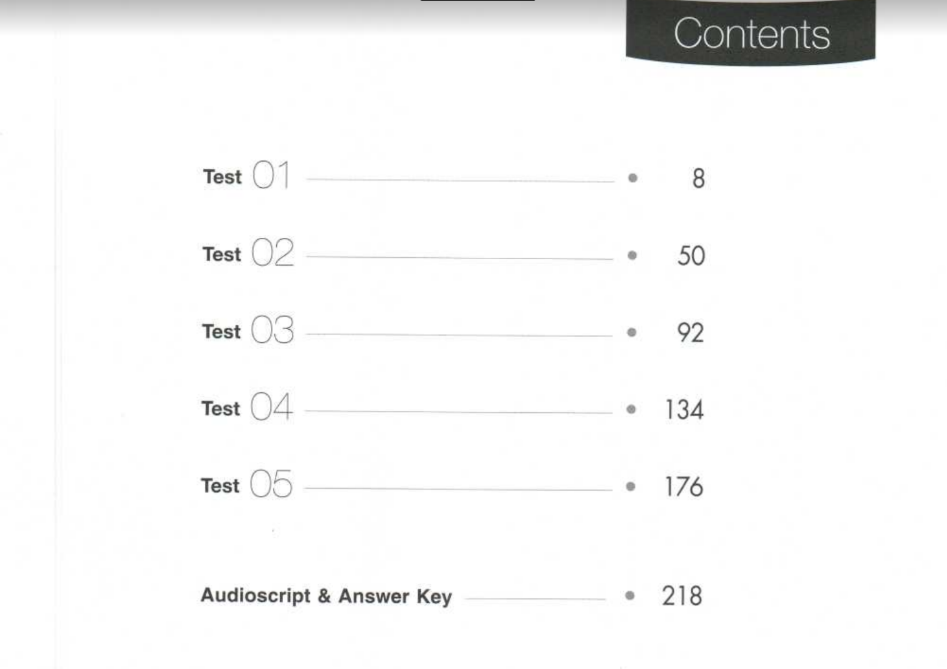
Mục lục

Mục lục tài liệu toeic to success 5 actual tests

Ngoài ra, bạn có thể xem thêm 1 số tài liệu để ôn luyện thi TOEIC hiệu quả.

Download tài liệu toeic to success 5 actual tests

Tải tài liệu toeic to success 5 actual tests PDF miễn phí tại đây:

Download toeic to success 5 actual tests PDF miễn phí

Chúc bạn tải tài liệu toeic to success 5 actual tests thành công và có được kết quả thi Toeic tốt nhất sau khi luyện cuốn này.

Nguồn: www.tuhocielts.vn


Click here for more...
from #Bangladesh #News aka Bangladesh News Now!!!

Download 4000 essential english words full 6 ebook + audio Free

Nhằm cải thiện khả năng giao tiếp Tiếng Anh, ngoài phát âm, ngữ điệu thì vốn từ vựng cũng là một yếu tố hết sức quan trọng. Hiện nay, có rất nhiều bộ sách luyện từ vựng khác nhau, nhưng đâu là tài liệu thích hợp nhất cho một số bạn đang học Tiếng Anh?

Bộ sách 4000 Essential English Words là 1 loạt 6 cuốn sách được mẫu mã để quy tụ vào một số từ có tần số xuất hiện đắt dưới thực tế, nhằm tăng cường vốn từ vựng của người học từ cơ bản đến nâng cao.

Sách 4000 Essential English Words được rất nhiều giáo viên và học sinh Việt Nam chọn lựa và tin cậy dùng vì chất lượng và kiến thức rất thích hợp, một số từ vựng được chọn lọc kỹ càng lưỡng.

Kết hợp với bố cục mỗi bài đều rất khoa học, kèm hình ảnh minh họa rất sinh động. Đồng thời, tại cuối mỗi bài học lại có thêm phần đọc hiểu tuộc dạng truyện ngắn cất một số từ vựng mà bạn được học dưới bài.

Tự học IELTS xin được giới thiệu  đến bạn đọc bộ luyện từ vựng Tiếng Anh “4000 Essential English Words full 6 ebook + audio ”.

Giới thiệu bộ sách 4000 ESSENTIAL ENGLISH WORDS

“4000 Essential English Words” là một series 6 quyển luyện từ vựng Tiếng Anh cung ứng cho người học 4000 từ vựng thiết yếu. Mỗi quyển cất khoảng 600 – 700 chữ, gồm 30 units khác nhau, mỗi unit khoảng 20 – 25 từ vựng dễ áp dụng dưới đời sống hằng ngày. Với mỗi từ, bộ sách đều cung ứng phiên âm cụ thể, cùng một số chẳng hạn giúp bạn tiếp thu từ vựng mới một cách mau chóng và hiệu quả. Đồng thời, sách còn có một số bài tập minh họa trực tiếp khiến quá trình ghi nhớ từ vựng mới của bạn trở cần phải thuận lợi hơn bao giờ hết.

Bên cạnh đó, ứng với mỗi cuốn sẽ có một phần nghe cực kỳ thú vị giúp một số bạn có thể ghi nhớ một số từ vựng này thuận lợi hơn. Các bạn cũng có thể thuận lợi khám phá một số kênh Youtube share về một số bài nghe của bộ sách tuyệt vời này để cải thiện học tập nhé.

Đồng thời, sau mỗi bài học từ sẽ có bài tập minh họa để một số bạn ôn luyện, làm bài trực tiếp và ghi nhớ dễ hơn. Ngoài ra còn có đoạn văn loại nữa, đa dạng cách để ôn luyện, ghi nhớ vốn từ. Qua đó giúp một số bạn học tập một cách tốt nhất. Đây là cuốn sách sẽ giúp một số bạn thuận lợi nhớ từ bởi hình ảnh, chẳng hạn sinh động như thế.

Xem thêm 1 số tài liệu tham khảo để ôn luyện TOEIC thật hiệu quả nhé:

Tải sách 4000 essential english words 1

About the Vocabulary

The 600 words in each book of this series along with the additional target words presented in the appendices included in the first three books of the series are the most useful words in English. They were found by analysis of a collection of English course books from various levels in the primary, secondary and tertiary school systems. The words included in this series were chosen because they occurred many times in different levels of these materials. Because of the way that they were chosen, these words have the following characteristics:

  1. They are useful in both spoken and written English. No matter what English course you are studying, the words in these books will be of value to you.
  2. Each word in these books is a high-frequency word. This means that the effort in learning the words is well repaid by the number of times learners have a chance to encounter or use them.
  3. These books as a whole cover a large proportion of the words in any spoken or written text. They cover at least 80% of the words in newspapers and academic texts, and at least 90% of the words in novels. They also cover at least 90% of the words in conversation.

About the Books

The activities in “4000 Essential English Words” are specially designed to make use of important learning conditions. Firstly, the words are introduced using sentence definitions and an example sentence. The activities that follow in the units encourage learners to recall the meanings and forms of the words. Some activities also make the learners think about the meaning of the words in the context of a sentence—a sentence different from the sentences that occurred in the introduction of the words. Moreover, each unit ends with a story containing the target words.

While reading the story, the learners have to recall the meanings of the words and suit them to the context of the story. Such activities help learners develop a better understanding of a common meaning for a given word which fits the different uses.

Illustrations for each target word are provided to help learners visualize the word as it is being used in the example sentence. These word/image associations aim to help students grasp the meaning of the word as well as recall the word later. It should be noted that words have more than one grammatical category.

However, this series focuses on the word’s most common form. This is mentioned to remind learners that just because a word is labeled and utilized as a noun in this series does not mean that it can never be used in another form such as an adjective. This series has simply focused on the word in the form that it is most likely to be expressed

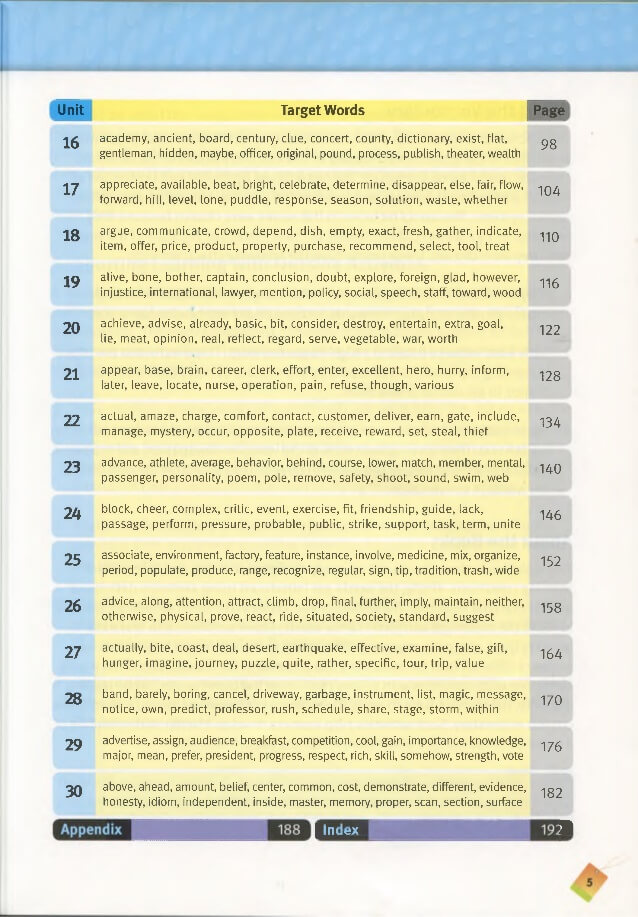
Mục lục ebook 4000 essential english words 1
Tải sách 4000 essential english words 2
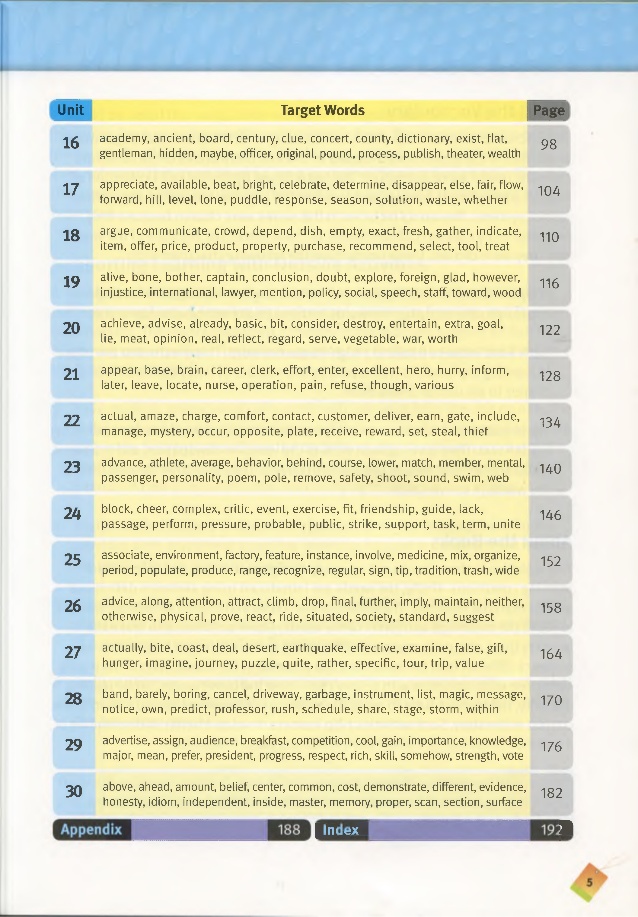
Mục lục ebook 4000 essential english words 1

Supporting Learning with Outside Activities


A well-balanced language course provides four major opportunities for learning:
learning through input, learning through output, deliberate learning, and fluency
development. The highly structured activities in these books support all four types
of learning opportunities. In addition, learning can further be supported through
the following activities:


1 Have students create vocabulary cards with one word from the unit on one side
of the card and the translation of the word in the student’s first language on the
other side. Students should use the cards for study in free moments during the
day. Over several weeks, students will find that quick repeated studying for brief
periods of time is more effective than studying for hours at one sitting.


2 Assign graded readers at students’ appropriate levels. Reading such books
provides both enjoyment as well as meaning-focused input which will help
the words stick in students’ memory.


3 Practice reading fluency to promote faster recall of word meaning for both sight
recognition and usage. Compass Publishing’s Reading for Speed and Fluency
is a good resource for reading fluency material.


4 Include listening, speaking, and writing activities in classes. Reinforcement of
the high-frequency vocabulary presented in this series is important across all
the four language skills.

Download cuốn sách 4000 essential english words 1 tại đây:

Link ebook: Tải sách 4000 essential english words 1

Link audio: Tải audio 4000 essential english words 1

Tải sách 4000 essential english words 2

About the Vocabulary

The 600 words in each book of this series along with the additional target words
presented in the appendices included in the first three books of the series are
the most useful words in English. They were found by analysis of a collection of
English course books from various levels in the primary, secondary and tertiary
school systems.

The words included in this series were chosen because they
occurred many times in different levels of these materials. Because of the way
that they were chosen, these words have the following characteristics:


1 They are useful in both spoken and written English. No matter what English
course you are studying, the words in these books will be of value to you.


2 Each word in these books is a high-frequency word. This means that the effort
in learning the words is well repaid by the number of times learners have a
chance to encounter or use them.


3 These books as a whole cover a large proportion of the words in any spoken or
written text. They cover at least 80% of the words in newspapers and academic
texts, and at least 90% of the words in novels. They also cover at least 90% of
the words in conversation.

About the Books


The activities in these books are specially designed to make use of important
learning conditions. Firstly, the words are introduced using sentence definitions
and an example sentence. The activities that follow in the units encourage learners
to recall the meanings and forms of the words.

Some activities also make thelearners think about the meaning of the words in the context of a sentence— a sentence different from the sentences that occurred in the introduction of the words.


Moreover, each unit ends with a story containing the target words. While reading
the story, the learners have to recall the meanings of the words and suit them to the
context of the story.

Such activities help learners develop a better understanding of
a common meaning for a given word which fits the different uses.
Illustrations for each target word are provided to help learners visualize the word
as it is being used in the example sentence. These word/image associations aim
to help students grasp the meaning of the word as well as recall the word later.

It should be noted that words have more than one grammatical category. However,
this series focuses on the word’s most common form. This is mentioned to remind
learners that just because a word is labeled and utilized as a noun in this series
does not mean that it can never be used in another form such as an adjective.
This series has simply focused on the word in the form that it is most likely to be
expressed.

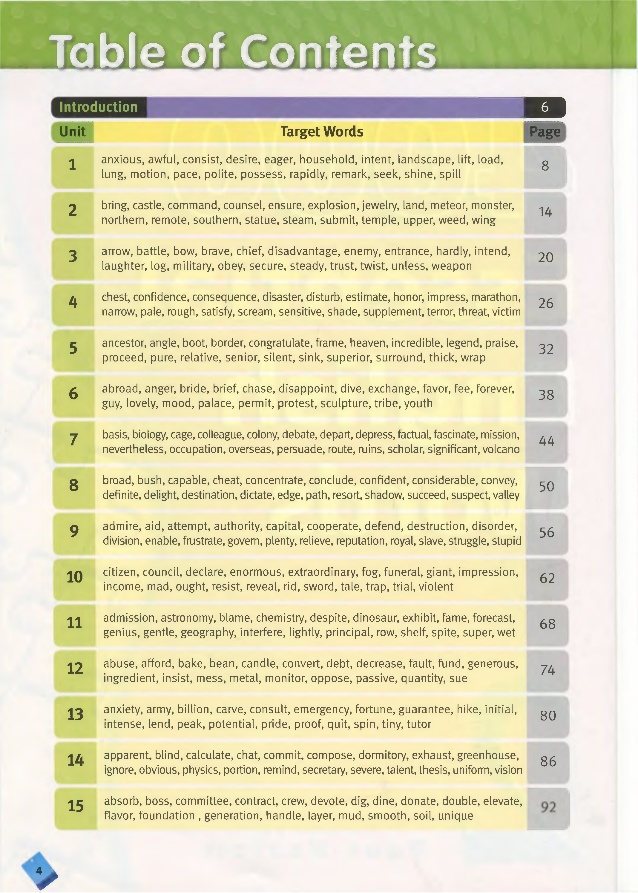
Mục lục ebook 4000 essential english words 2


Supporting Learning with Outside Activities


A well-balanced language course provides four major opportunities for learning:
learning through input, learning through output, deliberate learning, and fluency
development. The highly structured activities in these books support all four types
of learning opportunities. In addition, learning can further be supported through
the following activities:


1 Have students create vocabulary cards with one word from the unit on one side
of the card and the translation of the word in the student’s first language on the
other side. Students should use the cards for study in free moments during the
day. Over several weeks, students will find that quick repeated studying for brief
periods of time is more effective than studying for hours at one sitting.


2 Assign graded readers at students’ appropriate levels. Reading such books
provides both enjoyment as well as meaning-focused input which will help
the words stick in students’ memory.


3 Practice reading fluency to promote faster recall of word meaning for both sight
recognition and usage. Compass Publishing’s Reading for Speed and Fluency
is a good resource for reading fluency material.


4 Include listening, speaking, and writing activities in classes. Reinforcement of
the high-frequency vocabulary presented in this series is important across all
the four language skills.

Download cuốn sách 4000 essential english words 2 tại đây:

Link ebook: Tải sách 4000 essential english words 2

Link audio: Tải audio 4000 essential english words 2

Tải sách 4000 essential english words 3

About the Vocabulary

The 600 words in each book of this series along with the additional target words presented in the appendices included in the first three books of the series are the most useful words in English.

They were found by analysis of a collection of English course books from various levels in the primary, secondary and tertiary school systems. The words included in this series were chosen because they occurred many times in different levels of these materials. Because of the way that they were chosen, these words have the following characteristics:

  1. They are useful in both spoken and written English. No matter what English course you are studying, the words in these books will be of value to you.
  2. Each word in these books is a high-frequency word. This means that the effort in learning the words is well repaid by the number of times learners have a chance to encounter or use them.
  3. These books as a whole cover a large proportion of the words in any spoken or written text. They cover at least 80% of the words in newspapers and academic texts, and at least 90% of the words in novels. They also cover at least 90% of the words in conversation.

About the Books

The activities in “4000 Essential English Words” are specially designed to make use of important learning conditions. Firstly, the words are introduced using sentence definitions and an example sentence.

The activities that follow in the units encourage learners to recall the meanings and forms of the words. Some activities also make the learners think about the meaning of the words in the context of a sentence—a sentence different from the sentences that occurred in the introduction of the words. Moreover, each unit ends with a story containing the target words.

While reading the story, the learners have to recall the meanings of the words and suit them to the context of the story. Such activities help learners develop a better understanding of a common meaning for a given word which fits the different uses.

Illustrations for each target word are provided to help learners visualize the word as it is being used in the example sentence. These word/image associations aim to help students grasp the meaning of the word as well as recall the word later. It should be noted that words have more than one grammatical category. However, this series focuses on the word’s most common form.

This is mentioned to remind learners that just because a word is labeled and utilized as a noun in this series does not mean that it can never be used in another form such as an adjective. This series has simply focused on the word in the form that it is most likely to be expressed.

Mục lục ebook 4000 essential english words 3

Supporting Learning with Outside Activities


A well-balanced language course provides four major opportunities for learning: learning
through input, learning through output, deliberate learning, and fluency development. The
highly structured activities in these books support all four types of learning opportunities.
In addition, learning can further be supported through the following activities:


1 Have students create vocabulary cards with one word from the unit on one side of the
card and the translation of the word in the student’s first language on the other side.
Students should use the cards for study in free moments during the day. Over several
weeks, students will find that quick repeated studying for brief periods of time is more
effective than studying for hours at one sitting.


2 Assign graded readers at students’ appropriate levels. Reading such books provides
both enjoyment as well as meaning-focused input which will help the words stick in
students’ memory.


3 Practice reading fluency to promote faster recall of word meaning for both sight
recognition and usage. Compass Publishing’s Reading for Speed and Fluency is a
good resource for reading fluency material.


4 Include listening, speaking, and writing activities in classes. Reinforcement of the
high-frequency vocabulary presented in this series is important across all the four
language skills.

Download cuốn sách 4000 essential english words 3 tại đây:

Link ebook: Tải sách 4000 essential english words 3

Link audio: Tải audio 4000 essential english words 3

Tải sách 4000 essential english words 4

About the Vocabulary

4000 Essential English Words is a six-book series that is designed to focus on practical high-frequency words to enhance the vocabulary of learners from high beginning to advance levels. The series presents a variety of words that cover a large percentage of the words that can be found in many spoken or written texts.

Thus, after mastering these target words, learners will be able to fully understand vocabulary items when they encounter them in written and spoken form. Each unit presents 20 words which are defined and used in sample sentences.

About the Books


The activities in these books are specially designed to make use of important learning
conditions. Firstly, the words are introduced using sentence definitions and an example
sentence.

The activities that follow in the units encourage learners to recall the meanings
and forms of the words. Some activities also make the learners think about the meaning
of the words in the context of a sentence— a sentence different from the sentences that
occurred in the introduction of the words.

Moreover, each unit ends with a story containing the target words. While reading the story, the learners have to recall the meanings of the words and suit them to the context of the story. Such activities help learners develop a better understanding of a common meaning for a given word which fits the different uses.


Illustrations for each target word are provided to help learners visualize the word as it
is being used in the example sentence. These word/image associations aim to help
students grasp the meaning of the word as well as recall the word later.

It should be noted that words have more than one grammatical category. However, this
series focuses on the word’s most common form. This is mentioned to remind learners
that just because a word is labeled and utilized as a noun in this series does not mean
that it can never be used in another form such as an adjective. This series has simply
focused on the word in the form that it is most likely to be expressed.

Mục lục ebook 4000 essential english words 4

Supporting Learning with Outside Activities


A well-balanced language course provides four major opportunities for learning: learning
through input, learning through output, deliberate learning, and fluency development. The
highly structured activities in these books support all four types of learning opportunities.
In addition, learning can further be supported through the following activities:


1 Have students create vocabulary cards with one word from the unit on one side of the
card and the translation of the word in the student’s first language on the other side.
Students should use the cards for study in free moments during the day. Over several
weeks, students will find that quick repeated studying for brief periods of time is more
effective than studying for hours at one sitting.


2 Assign graded readers at students’ appropriate levels. Reading such books provides
both enjoyment as well as meaning-focused input which will help the words stick in
students’ memory.


3 Practice reading fluency to promote faster recall of word meaning for both sight
recognition and usage. Compass Publishing’s Reading for Speed and Fluency is a
good resource for reading fluency material.


4 Include listening, speaking, and writing activities in classes. Reinforcement of the
high-frequency vocabulary presented in this series is important across all the four
language skills.

Download cuốn sách 4000 essential english words 4 tại đây:

Link ebook: Tải sách 4000 essential english words 4

Link audio: : Tải audio 4000 essential english words 4

Tải sách 4000 essential english words 5

About the Vocabulary


The 600 words in each book of this series along with the additional target words
presented in the appendices included in the first three books of the series are the most
useful words in English.

They were found by analysis of a collection of English course
books from various levels in the primary, secondary and tertiary school systems. The
words included in this series were chosen because they occurred many times in different
levels of these materials. Because of the way that they were chosen, these words have the following characteristics:


1 They are useful in both spoken and written English. No matter what English course
you are studying, the words in these books will be of value to you.


2 Each word in these books is a high-frequency word. This means that the effort in
learning the words is well repaid by the number of times learners have a chance to
encounter or use them.


3 These books as a whole cover a large proportion of the words in any spoken or written
text. They cover at least 80% of the words in newspapers and academic texts, and
at least 90% of the words in novels. They also cover at least 90% of the words in
conversation.

About the Books


The activities in these books are specially designed to make use of important learning
conditions. Firstly, the words are introduced using sentence definitions and an example
sentence.

The activities that follow in the units encourage learners to recall the meanings
and forms of the words. Some activities also make the learners think about the meaning
of the words in the context of a sentence— a sentence different from the sentences that
occurred in the introduction of the words.

Moreover, each unit ends with a story containing the target words. While reading the story, the learners have to recall the meanings of the words and suit them to the context of the story. Such activities help learners develop a better understanding of a common meaning for a given word which fits the different uses.


Illustrations for each target word are provided to help learners visualize the word as it
is being used in the example sentence. These word/image associations aim to help
students grasp the meaning of the word as well as recall the word later.

It should be noted that words have more than one grammatical category. However, this
series focuses on the word’s most common form. This is mentioned to remind learners
that just because a word is labeled and utilized as a noun in this series does not mean
that it can never be used in another form such as an adjective. This series has simply
focused on the word in the form that it is most likely to be expressed.

Mục lục ebook 4000 essential english words 5

Supporting Learning with Outside Activities


A well-balanced language course provides four major opportunities for learning: learning
through input, learning through output, deliberate learning, and fluency development. The
highly structured activities in these books support all four types of learning opportunities.
In addition, learning can further be supported through the following activities:


1 Have students create vocabulary cards with one word from the unit on one side of the
card and the translation of the word in the student’s first language on the other side.
Students should use the cards for study in free moments during the day. Over several
weeks, students will find that quick repeated studying for brief periods of time is more
effective than studying for hours at one sitting.


2 Assign graded readers at students’ appropriate levels. Reading such books provides
both enjoyment as well as meaning-focused input which will help the words stick in
students’ memory.


3 Practice reading fluency to promote faster recall of word meaning for both sight
recognition and usage. Compass Publishing’s Reading for Speed and Fluency is a
good resource for reading fluency material.


4 Include listening, speaking, and writing activities in classes. Reinforcement of the
high-frequency vocabulary presented in this series is important across all the four
language skills.

Download cuốn sách 4000 essential english words 5 tại đây:

Link ebook: Tải sách 4000 essential english words 5

Link audio: Tải audio4000 essential english words 5

Tải sách 4000 essential english words 6

About the Vocabulary

The 600 words in each book of this series along with the additional target words
presented in the appendices included in the first three books of the series are the most
useful words in English. They were found by analysis of a collection of English course
books from various levels in the primary, secondary and tertiary school systems. The
words included in this series were chosen because they occurred many times in different
levels of these materials.

Because of the way that they were chosen, these words have the following characteristics:
1 They are useful in both spoken and written English. No matter what English course
you are studying, the words in these books will be of value to you.


2 Each word in these books is a high-frequency word. This means that the effort in
learning the words is well repaid by the number of times learners have a chance to
encounter or use them.


3 These books as a whole cover a large proportion of the words in any spoken or written
text. They cover at least 80% of the words in newspapers and academic texts, and
at least 90% of the words in novels. They also cover at least 90% of the words in
conversation.

About the Books


The activities in these books are specially designed to make use of important learning
conditions. Firstly, the words are introduced using sentence definitions and an example
sentence.

The activities that follow in the units encourage learners to recall the meanings
and forms of the words. Some activities also make the learners think about the meaning
of the words in the context of a sentence— a sentence different from the sentences that
occurred in the introduction of the words. Moreover, each unit ends with a story containing


the target words. While reading the story, the learners have to recall the meanings of the
words and suit them to the context of the story. Such activities help learners develop a
better understanding of a common meaning for a given word which fits the different uses.

Illustrations for each target word are provided to help learners visualize the word as it
is being used in the example sentence. These word/image associations aim to help
students grasp the meaning of the word as well as recall the word later.

It should be noted that words have more than one grammatical category. However, this
series focuses on the word’s most common form. This is mentioned to remind learners
that just because a word is labeled and utilized as a noun in this series does not mean
that it can never be used in another form such as an adjective. This series has simply
focused on the word in the form that it is most likely to be expressed.

Mục lục ebook 4000 essential english words 6

Supporting Learning with Outside Activities


A well-balanced language course provides four major opportunities for learning: learning
through input, learning through output, deliberate learning, and fluency development. The
highly structured activities in these books support all four types of learning opportunities.
In addition, learning can further be supported through the following activities:


1 Have students create vocabulary cards with one word from the unit on one side of the
card and the translation of the word in the student’s first language on the other side.
Students should use the cards for study in free moments during the day. Over several
weeks, students will find that quick repeated studying for brief periods of time is more
effective than studying for hours at one sitting.


2 Assign graded readers at students’ appropriate levels. Reading such books provides
both enjoyment as well as meaning-focused input which will help the words stick in
students’ memory.


3 Practice reading fluency to promote faster recall of word meaning for both sight
recognition and usage. Compass Publishing’s Reading for Speed and Fluency is a
good resource for reading fluency material.


4 Include listening, speaking, and writing activities in classes. Reinforcement of the
high-frequency vocabulary presented in this series is important across all the four
language skills.

Download cuốn sách 4000 essential english words 6 tại đây:

Link ebook: Tải sách 4000 essential english words 6

Link audio: Tải audio 4000 essential english words 6

Nguồn: www.tuhocielts.vn


Click here for more...
from #Bangladesh #News aka Bangladesh News Now!!!

227 Từ vựng Part 1 TOEIC thường dùng theo chủ đề

Tự học Ielts gửi tặng đến các bạn bộ tài liệu 227 Từ vựng Part 1 TOEIC thường dùng theo chủ đề hay gặp trong các kỳ thi toeic. Nếu bạn đang cảm thấy khó khăn khi học từ vựng và có mục tiêu để thi toeic thì đừng bỏ lỡ bài viết này bạn nhé!

Với mục tiêu giúp các bạn trau dồi,bổ sung thêm vốn từ để chuẩn bị hành trang cho kỳ thi TOEIC. Tự học Ielts sẽ chia sẻ cho bạn 227 Từ vựng TOEIC thường dùng theo chủ đề hay gặp trong các bài thi TOEIC .

Nào chúng ta cùng bắt đầu thôi. Let’s go!

I. TỔNG HỢP 227 TỪ VỰNG TRONG PART 1 TOEIC THƯỜNG DÙNG THEO CHỦ ĐỀ

☆ Part 1: Chủ thể của hành động là người

Học từ vựng tiếng anh

1. Be adding: thêm vào 

❄ The woman is adding paper to the printer 

❄ Người phụ nữ đang thêm giấy vào máy in

2. Be addressing: thuyết trình, trình bày 

❄ The woman is addressing the audience 

❄ Người phụ nữ diễn thuyết trước khán giả

 3. Be adjusting: điều chỉnh 

❄ One man is adjusting his glasses

❄ Người đàn ông đang điều chỉnh cái kính của anh ta

4. Be admiring: chiêm ngưỡng 

❄ The women are admiring the photograph 

❄ Những người phụ nữ đang chiêm ngưỡng bức ảnh

5. Be approaching: tiến đến 

❄ Some people are approaching a door 

❄ Một số người đang tiến đến cửa.

6. Be arranging: sắp xếp, cắm (hoa) 

❄ She is arranging some flowers in a vase

❄ Cô ấy đang cắm hoa vào bình

7. Be arriving: đến 

❄ The passengers are arriving at the station

❄ Hành khách đang đến ga

8. Be asking: hỏi 

❄ The man is asking a question

❄ Người đàn ông đang hỏi một câu hỏi 

9. Be essembling: lắp ráp 

❄ They are assembling bookshelves 

❄ Họ đang lắp ráp các kệ sách

10. Be attaching: dán

❄ She is attaching items to a bulletin board 

❄ Cô ấy đang dán một vài thứ vào bản tin

11. Be attending sb: chăm lo, giúp ai đó 

❄ The woman is attending the man 

❄ Người phụ nữ đang giúp người đàn ông

12. Be bending over: cúi xuống 

❄ A man is bending over his luggage

❄ Người đàn ông đang cúi xuống bên hành lý của mình

13. Be boarding: bước lên (xe, tàu…) 

❄ Passengers are boarding a bus 

❄ Hành khách đang bước lên xe bus.

14. Be booking: đặt (hàng, vé,…) 

❄ He is booking tickets for a play 

❄ Anh ấy đang đặt vé cho một biểu biểu diễn

15. Be bowing: cúi đầu chào 

❄ The musicians are bowing to the audience 

❄ Các nhạc sĩ đang cúi đầu chào khán giả

16. Be browsing: duyệt, chọn lựa, truy cập 

❄ Customers are browsing along the dislay 

❄ Khách hàng đang lựa chọn dọc theo màn hình

17. Be brushing: chải (tóc) 

❄ The man is brushing his hair

❄ Người đàn ông đang chải tóc. 

18. Be burying /’beri/): chôn vùi, che đi, phủ đi 

❄ A worker is burying pipes in the ground 

❄ Một người công nhân đặt ống trong đất.

19. Be building: xây dựng, lập nên 

❄ They are building wooden benches 

❄ Họ đang xây các ghế gỗ

20. Be buttoning: cài cúc áo, quần) 

❄ One of the men is buttoning the front of his shirt 

❄ Một trong số những người đàn ông đang cài cúc áo trước của mình

21. Be buying: mua 

❄ A man is buying a newspaper 

❄ Một người đàn ông đang mua báo

22. Be carrying: mang, vác 

❄ The man is carrying a jack over his shoulder 

❄ Người đàn ông đang vác một cái gia trên vai

23. Be changing: thay 

❄ The men are changing the lights

❄ Những người đàn ông đang thay đèn

24. Be checking into: đăng kí phòng 

❄ She is checking into the hotel 

❄ Cô ấy đang đăng kí nhận phòng khách sạn

25. Be climbing (klaim => âm “b” cm): leo, trèo 

❄ She is climbing up the stairs 

❄ Cô ấy đang lên cầu thang

26. Be cleaning: dọn dẹp 

❄ One of the men is cleaning the dishes on the table

❄ Một trong số những người đàn ông đang dọn dẹp các đĩa thức ăn trên bàn 

27. Be closing: đóng 

❄ A man is closing the door 

❄ Một người đàn ông đang đóng cửa

28. Be collecting: thu thập, gom 

❄ The train conductor is collecting tickets from the passengers 

❄ Nhân viên bán xe tàu lửa đang gom vé từ khách

29. Be combing (koom => âm “b” cấm): chải tóc, len,…) 

❄ She is combing her long straight hair 

❄ Cô ấy đang chải mái tóc thẳng và dài của mình

30. Be coming out of: ra khỏi 

❄ A truck is coming out of a garage

❄ Một chiếc xe tải đang ra khỏi ga-ra.

31. Be concentrating on: tập trung vào 

❄ They are concentrating their work 

❄ Họ đang tập trung làm việc

32. Be conversing: trò chuyện 

❄ She is conversing over the phone

❄ Cô ấy đang trò chuyện qua điện thoại

33. Be cooking: nấu ăn 

❄ He is cooking for some guests 

❄ Anh ấy đang nấu ăn cho vài người khách

34. Be crossing: băng qua 

❄ The people are crossing the street 

❄ Người ta đang băng qua đường

35. Be cutting: cắt 

❄ He is cutting pieces of cake

❄ Anh ấy đang cắt từng mẫu bánh 

36. Be delivering: giao (hàng) 

❄ He is delivering some items to a customer

❄ Anh ấy đang giao hàng cho khách

37. Be departing: xuất phát, khởi hành 

❄ A bus is departing from a station 

❄ Xe bus đang rời khỏi trạm

38. Be digging: đào, xới 

❄ They are digging in the sand 

❄ Họ đang xới cát

39. Be directing: hướng dẫn 

❄ She is directing a customer to his seat 

Cô gái đang hướng dẫn khách hàng đến chỗ ngồi của anh ấy

40. Be disembarking: lên ❄ (bờ) 

❄ People are disembarking from a ferry

❄ Mọi người dưới nhà đang bước lên bờ

41. Be displaying: trưng bày 

❄ Vendors are displaying their merchandise 

❄ Các người bán đang bày bán hàng của họ.

42. Be distributing: phân phối, giao 

❄ A man is distributing some books 

❄ Một người đàn ông đang giao một vài quyển sách

43. Be diving: lặn 

❄ A man is diving off a boat

❄ Người đàn ông đang lặn khỏi thuyền.

44. Be doing the dishes: rửa chén 

❄ She is doing the dishes

❄ Cô gái đang rửa chén 

45. Be dragging: kéo 

❄ He is dragging a bag

❄ Anh ấy đang kéo một cái giỏ

46. Be drawing: vẽ 

❄ He is drawing a picture of some buildings 

❄ Anh ấy đang vẽ một bức tranh về các tòa nhà

47. Be eating: ăn 

❄ People are eating food at the restaurant 

❄ Mọi người đang ăn trong nhà hàng

48. Be emptying: đổ, dốc, làm cạn 

❄ The man is emptying a bucket into a container

❄ Người đàn ông đang đổ cái thùng vào bình chứa

49. Be entering: bước vào 

❄ A man is entering the building

❄ Một người đàn ông đang bước vào tòa nhà

50. Be enjoying: tận hưởng, thưởng thức 

❄ They are enjoying a meal

❄ Họ đang ăn

51. Be examining: kiểm tra 

❄ They are examining kitchenware items 

❄ Họ đang kiểm tra các đồ dùng nhà bếp

52. Be exchanging: trao đổi 

❄ They are exchanging business cards

❄ Họ đang trao đổi danh thiếp

53. Be exercising: tập thể dục 

❄ The people are exercising together outside

❄ Mọi người đang cùng nhau tập thể dục ngoài trời 

54. Be exitting: bước ra 

❄ Passengers are exitting an aircraft 

❄ Hành khách đang bước ra khỏi máy bay 5

5. Be facing: đối mặt (be facing across from: đối diện) 

❄ They are facing each other 

❄ Họ đang ngồi đối diện nhau

56. Be facing away from each other: ngồi hướng nhìn ngược nhau (quay lưng 

vào nhau)

❄ They are facing from each other 

❄ Họ đang ngồi hướng nhìn ngược nhau

57. Be fastening: đóng, gài 

❄ Workers are fastening their helmets

❄ Công nhân đang gài mũ bảo hiểm.

58. Be feeding: cho ăn 

❄ He is feeding a horse 

❄ Anh ấy đang cho ngựa ăn.

59. Be filing: sắp xếp, sắp đặt (giấy tờ, thư từ) 

❄ The man is filing paperwork 

❄ Người đàn ông đang sắp xếp giấy tờ

60. Be filling: đổ đầy, làm đầy 

❄ The woman is filling a barrel with oil 

❄ Người phụ nữ đang đổ đầy dầu vào thùng

61. Be finishing: hoàn thành, kết thúc 

❄ The man is finishing his meal

❄ Người đàn ông đang kết thúc bữa ăn của mình 

62. Be fishing: câu cá 

❄ They are fishing from the side of a boat 

❄ Họ đang câu cá từ một me thuyền. \

63. Be fixing: sửa chữa 

❄ The man is fixing is computer 

❄ Người đàn ông đang sửa máy tính của ông ấy

64. Be floating: trôi, nổi 

❄ The boat is floating in the water 

❄ Chiếc thuyền đang trôi trên nước

65. Be focusing on: tập trung vào 

❄ The group is focusing on the monitor 

❄ Cả nhóm đang tập trung vào màn hình

66. Be folding: gấp, gập, khoanh tay 

❄ She is folding the umbrella 

❄ Cô ấy đang gấp cây dù.

67. Be flowing: chảy 

❄ Water is flowing over the side of the pool

❄ Nước đang chảy qua một bên hồ

68. Be gathering: tập hợp 

❄ A crowd is gathering around the boy 

❄ Đám đông đang đứng xung quanh cậu bé

69. Be gazing: nhìn chằm chằm 

❄ A woman is gazing at the paiting 

❄ Người phụ nữ đang nhìn chăm chú vào bức tranh

70. Be gesturing: biểu hiện bằng cử chỉ 

❄ The man is gesturing with his hand as he talks

❄ Người đàn ông thể hiện bằng tay của mình khi anh ấy nói 

71. Be getting on: bước lên (xe cộ) 

❄ The people are getting on the bus 

❄ Mọi người đang bước lên xe bus

72. Be getting out of: bước ra khỏi 

❄ Some people are getting out of a vihicle 

❄ Một vài người đang bước ra khỏi xe

73. Be getting up: đứng dậy 

❄ The men are getting up from their chairs 

❄ Những người đàn ông đang đứng dậy khỏi ghế.

74. Be getting ready: chuẩn bị 

❄ The man is getting ready to leave

❄ Người đàn ông đang chuẩn bị rời đi

75. Be going over: bước qua 

❄ He is going over the fence 

❄ Anh ấy đang bước qua cai hàng rào

76. Be greeting: chào đón 

❄ A worker is greeting customers 

❄ Nhân viên đang chào đón khách hàng

77. Be handing: chuyền tay, đưa 

❄ The woman is handing a paper to the man 

❄ Người phụ nữ đang đưa một tờ giấy cho người đàn ông

78. Be handling: bàn giao, đưa cho 

❄ The man is handling his key to the woman 

❄ Người đàn ông đang đưa chìa khóa của mình cho người phụ nữ

79. Be hanging: treo 

❄ The people are hanging signs on the wall

❄ Người ta đang treo các biển báo trên tường 

80. Be helping: giúp đỡ 

❄ He is helping a customer 

❄ Anh ấy đang giúp đỡ một khách hàng

81. Be hiking up: leo, trèo 

❄ People are hiking up the mountain 

❄ Người ta đang leo núi

82. Be hitting: đâm phải, và phải 

❄ The waves are hitting the shore 

❄ Sóng đang vỗ vào bãi biển

83. Be holding: cầm, nắm, giữ 

❄ The man is holding a pen 

❄ Người đàn ông đang cầm một cây bút

84. Be inspecting: kiểm tra 

❄ The men are inspecting the engine of the vehicle

❄ Những người đàn ông đang kiểm tra động cơ xe

85. Be jotting down: ghi chép 

❄ She is jotting down notes on a notepad 

❄ Cô ấy đang ghi chép vào sổ tay

86. Be jumping: nhảy 

❄ She is jumping over a net 

❄ Cô ấy đang nhảy qua khỏi cái lưới

87. Be kicking: đá 

❄ She is kicking a ball 

❄ Cô ấy đang đá một trái bóng.

❄ 88. Be landing: đáp, hạ cánh (may bay) 

❄ The plane is landing at the airport 

89. Be laying: đặt, để 

❄ A man is laying down a towel on the sand 

❄ Người đàn ông đang đặt khăn tắm trên cát.

90. Be leaning against: dựa vào 

❄ He is leaning against the wall 

❄ Anh ấy đang dựa vào tường

91. Be leaving: rời khỏi 

❄ The audience is leaving the lecture hall 

❄ Khán giả đang rời khỏi hội trường diễn thuyết

92. Be lifting: nâng, nhấc lên 

❄ One of the men is lifting up the globe

❄ Một trong những người đàn ông đang nhấc quả địa cầu

93. Be lining up: xếp hàng 

❄ The people are lining up to take a taxi 

❄ Mọi người đang xếp hàng để bắt taxi

94. Be listening: lắng nghe 

❄ They are listening to a lecture 

❄ Họ đang lắng nghe một bài diễn thuyết

95. Be lighting: thắp sáng 

❄ A woman is lighting candles

❄ Người phụ nữ đang thắp nến

96. Be loading: bốc, chất hàng 

❄ A man is loading goods onto the truck

❄ Người đàn ông đang chất hàng lên xe tải

97. Be looking: nhìn 

❄ The woman is looking in the miror

❄ Người phụ nữ đang nhìn vào gương

98. Be lying: nằm 

❄ Pens are lying on top of the chair

❄ Những cây bút đang nằm trên ghế

99. Be making a line: xếp hàng 

❄ The people are making a line to enter the room 

❄ Người ta đang xếp hàng vào phòng

100. Be making a purchase: mua hàng 

❄ The man and the woman are making a purchase 

❄ Người đàn ông và người phụ nữ đang mua hàng

101. Be making a toast: uống rượu 

❄ The people are making a toast

❄ Các đồng nghiệp đang uống rượu cùng nhau

102. Be measuring: đo, đo lường 

❄ He is measuring some wood 

❄ Anh ấy đang đo gỗ

103. Be mopping: lau chùi 

❄ A woman is moppping the floor 

❄ Người phụ nữ đang lau sàn

104. Be moving: di chuyển 

❄ Traffic is moving in both directions 

❄ Giao thông lưu thông cả hai hướng

105. Be mowing: cắt, gặt 

A worker is mowing the grass 

Một công nhân đang cắt cỏ

106. Be paving: lát, trải 

Some people are paving a walkway with bricks

Một số người đang lát đường với các viên gạch. 

| 107. Be paying: thanh toán 

People are paying for their meals 

Người ta đang thanh toán tiền ăn

108. Be photographing: chụp ảnh 

The women are photographing the scenery 

Những người phụ nữ đang chụp hình phong cảnh

109. Be pouring: rót, đô 

A machine is pouring cement 

Máy đang đổ xi-măng ra.

110. Be putting: đặt 

A clerk is putting clothes into a closet

Nhân viên đang để đồ vào trong tủ quần áo

111. Be putting on: đeo, mang, mặc 

The men are putting on headphones

Những người đàn ông đang đeo tai nghe.

112. Be pushing: đẩy 

A woman is pushing a shopping cart

Một người phụ nữ đang đẩy xe đẩy hàng.

113. Be observing: quan sát 

They are observing a match 

Họ đang quan sát một trận đấu

114. Be offering: cung cấp 

The waiter is offering his customer a meal

Người phục vụ đang cung cấp cho khách hàng của mình một bữa ăn

115. Be opeing: mở 

The man is opening the door

Người đàn ông đang mở cửa 

116. Be operating: điều hành, vận hành 

A man is operating a heavy machinery 

Người đàn ông đang làm việc với máy móc

117. Be ordering: đặt hàng, gọi món 

The woman is ordering some food from the menu 

Người phụ nữ đang gọi thức ăn có trong thực đơn

118. Be organizing: tổ chức, sắp xếp 

The man is organizing paperwork 

Người đàn ông đang sắp xếp giấy tờ

119. Be packing away: đóng gói 

A man is packing away some packages

Người đàn ông đang đóng gói vài kiện hàng

120. Be painting: vẽ 

The boy is painting a picture 

Cậu bé đang vẽ một bức tranh

121. Be parking: đỗ xe 

The man is parking his bicycle 

Người đàn ông đang đỗ xe đạp của mình

122. Be passing: chuyển 

The man is passing a box to the other 

Người đàn ông đang chuyển cái hộp cho người kia

123. Be paying: thanh toán 

A customer is paying for his items

Một khách hàng đang thanh toán cho các món hàng của mình

124. Be performing: trình diễn 

The people are performing on stage

Người ta đang trình diễn trên sân khấu

125. Be petting: vuốt ve 

He is petting the animal 

Anh ấy đang vuốt ve một con vật

126. Be picking (up): chọn, lựa, lấy 

The woman is picking up pastries from the tray 

Người phụ nữ đang chọn bánh ngọt từ khay

127. Be piling: chất đống 

The librarian is piling some books on the shelves 

Người quản lý thư viện đang chồng một số cuốn sách lên kệ

128. Be piloting: dẫn dắt, điều khiển 

The man is piloting a boat out to sea

Người đàn ông đang dẫn tàu ra biển

129. Be placing: đặt 

The man is placing a coin in the slot 

Người đàn ông đang đặt một đồng xu vào khe

130. Be planting: trồng 

The woman is planting some flowers 

Người phụ nữ đang trồng hoa

131. Be playing: chơi 

They are playing some musical instruments 

Họ đang chơi nhạc cụ

132. Be plugging: cắm 

They are plugging some cords in a machine

Họ đang cắm một vài dây điện vào trong một cái máy

133. Be pointing: chỉ 

The woman is pointing her finger to the monitor

Người phụ nữ đang chỉ tay vào màn hình 

134. Be polishing: đánh bóng 

The man is polishing the window 

Người đàn ông đang đánh bóng cửa sổ

135. Be positioning: đặt, để 

He is positioning a sheet of paper on the grass 

Anh ấy đang đặt một tờ giấy lên bãi cỏ

136. Be posting: đăng 

The man is posting a notice on the window 

Người đàn ông đang đăng một thông báo trên cửa sổ

137. Be pouring: rot 

The man is pouring drinks into his glass

Người đàn ông đang rót đồ uống vào ly

138. Be practicing: luyện tập 

Some women are practicing their instruments 

Một vài người phụ nữ đang luyện tập dùng các dụng cụ của họ.

139. Be preparing: chuẩn bị 

They are preparing some food 

Họ đang chuẩn bị thức ăn

140. Be pulling: kéo 

The man is pulling a cart 

Người đàn ông đang kéo một giỏ hàng

141. Be pushing: đẩy 

The man is pushing a cart 

Người đàn ông đang đẩy một giỏ hàng

A couch has been pushed to one side of the room 

Cái giường được đẩy sang một bên của căn phòng. 

142. Be putting: đặt, để 

The man is putting his key into a lock 

Người đàn ông đang đặt chìa khóa của anh ấy vào ổ khóa

143. Be putting away: đem đi chỗ khác, chuyển 

The man is putting away the ladder 

Người đàn ông đang đem cái tháng đi nơi khác

144. Be putting down: đặt xuống 

The man is putting down his pen 

Người đàn ông đang đặt bút xuống

145. Be putting on: mặc 

The woman is putting on sweaters

Người phụ nữ đang mặc áo len

146. Be putting up: dán 

They are putting up some posters

Họ đang dán một vài posters

147. Be racing: đua 

People are racing their boats 

Người ta đang đua thuyền

148. Be racing down: phóng xe đi đâu đó 

They are racing down the street 

Họ đang phóng xe xuống đường

149. Be reaching: với tay 

The man is reaching to get an item 

Người đàn ông đang với tay lấy một món hàng

150. Be reading: đọc 

The woman is reading a sign on the street

Người phụ nữ đang đọc một biển báo trên đường

151. Be rearranging: sắp xếp lại 

She is rearranging the bookshelf 

Cô ấy đang sắp xếp lại kệ sách

152. Be reiceiving: nhận 

The woman is receiving a sales award 

Người phụ nữ đang nhận một giải thưởng ban hàng

153. Be relaxing: thư giãn 

The people are relaxing outdoors 

Mọi người đang thư giãn ngoài trời

154. Be repairing: sửa chữa 

The man is repairing his fishing equipment

Người đàn ông đang sửa chữa dụng cụ câu cá của anh ấy

155. Be replacing: thay thế 

The man is replacing the window 

Người đàn ông đang thay cửa sổ

156. Be resting: nghỉ ngơi 

The people are resting on the grass 

Mọi người đang nghỉ ngơi trên bãi cỏ

157. Be reviewing: xem xét 

People are reviewing some materials 

Người ta đang xem xét một số vật liệu

158. Be riding: cưỡi (xe, ngựa…) 

The man is riding his bicycle 

Người đàn ông đang lái xe

159. Be rising: mọc, bay lên 

Smoke is rising into the air

Khói thuốc đang bay 

160. Be rolling up: xắn lên, cuộn lên 

The man is rolling up his sleeve 

Người đàn ông đang cuộn tay áo của anh ấy

161. Be rowing: chèo 

The man is rowing his boat 

Người đàn ông đang chèo thuyền

162. Be running: chạy 

He is running around the barn 

Anh ấy đang chạy xung quanh chuồng ngựa

163. Be rushing: vội vã đi gấp 

A couple is rushing into the ocean 

Cặp đôi chạy vội ra biển

164. Be selecting: chọn, lựa 

A man is selecting an item from a display

Một người đàn ông đang chọn một món hàng từ những món hàng được 

bày bán.

165. Be serving: phục vụ 

The waiter is serving foods

Bồi bàn đang phục vụ thức ăn

166. Be setting up: sắp xếp 

The people setting up the tables 

Mọi người đang sắp xếp bàn

167. Be shaking hands: bắt tay 

They are shaking hands

Họ đang bắt tay 

168. Be shelving: sắp xếp 

He is shelving the products

Anh ấy đang sắp xếp các sản phẩm

169. Be shopping: mua sắm 

The women are shopping in a store 

Những người phụ nữ đang mua sắm trong một cửa hàng

170. Be sipping: uống từng ngụm 

The man is sipping a cup of tea 

Người đàn ông đang uống trà từng hộp

71. Be sitting across from each other: ngồi đối diện 

They are sitting across from each other

Họ đang ngồi đối diện nhau

172. Be sketching: vẽ phác thảo 

They are sketching the scenery 

Họ đang vẽ phác thảo cảnh vật

173. Be smiling: cười 

Children are smiling at each other

Những đứa trẻ đang cười với nhau

174. Be sorting: sắp xếp, phân loại 

They’re sorting through books on the table 

Họ đang sắp xếp sách trên bàn

175. Be speaking: noî 

The woman is speaking into a microphone 

Người phụ nữ đang nói trong micro

176. Be spreading: trải ra 

They are preading out a net

Họ đang trải lưới ra. 

177. Be springing: làm cho bật ra, đưa ra 

The fountain is springing water into the air 

Vòi nước phun nước ra ngoài

178. Be stacking: xếp thành chồng 

The man is stacking books 

Người đàn ông đang xếp sách thành chồng

179. Be standing: đứng 

The man is standing at the sink 

Người đàn ông đang đứng ở bồn rửa chén

180. Be staring at: nhìn chằm chằm 

A boy is staring at the screen

Cậu bé đang nhìn chằm chằm vào màn hình

181. Be stepping: leo 

The man is stepping into the building 

Người đàn ông đang leo lên nhà

182. Be stirring: khuấy 

She is stirring some food 

Cô gái đang khuấy thức ăn

183. Be stocking: lưu, giữ, để, cất 

A man is stocking the boxes in the shelf 

Một người đàn ông đang cất các hộp trên kệ

184. Be stretching: duỗi, kéo căng 

They are stretching a hose 

Họ đang kéo một cái ống

185. Be strolling: đi dạo, sải bước 

The people are strolling along the path

Người ta đang đi dạo trên đường 

186. Be stopping: ngưng lại 

They are stopping the flow of the traffic 

Họ đang ngưng xe

187. Be stutying: học 

A woman is studying for an exam 

Người phụ nữ đang học bài thi

188. Be stuffing: nhồi, nhét 

The woman is stuffing some clothes into a bag 

Người phụ nữ đang nhét áo quần vào trong giỏ

189. Be sweeping: lau dọn 

A woman is sweeping the room

Một người phụ nữ đang dọn phòng

190. Be swimming: boi 

They are swimming in a lake

Họ đang bơi trong hồ

191. Be taking a break: nghỉ giải lao 

They are taking a break from their work

Họ đang nghỉ giải lao giữa giờ làm việc

192. Be taking a nap: chợp mắt, ngủ vài phút 

They are taking a nap on a bench 

Họ đang ngủ trên chiếc ghế dài

193. Be taking a picture: chụp ảnh 

They are taking a picture of an outdoor scene 

Họ đang chụp một bức ảnh ngoài trời

194. Be taking a walk: đi bộ 

They are taking a walk together

Họ đang đi bộ cùng nhau 

195. Be taking off: cất cánh 

A plane is taking off from a runway 

Máy bay đang cất cánh khỏi đường băng.

196. Be talking: trao đổi, trò chuyện 

He is talking to the people on the road 

Anh ấy đang trò chuyện với mọi người trên đường

197. Be tasting: nếm 

The chef is tasting his soup 

Người đầu bếp đang nếm món canh của mình

198. Be taxiing: chạy trên mặt đất 

|An airplane is taxiing down the runway

Một chiếc máy bay đang hạ cánh ở đường băng

199. Be throwing sth away: ném cái gì đó 

The woman is throwing something away 

Người phụ nữ đang ném một vật gì đó.

200. Be tidying up: dọn dẹp 

The woman is tidying up her desk

Người phụ nữ đang dọn dẹp bàn làm việc của mình

201. Be touring: tham quan 

Some men are touring a factory 

Một vài người đàn ông đang tham quan một nhà máy

202. Be transporting: vận chuyển, chuyên chở, keo 

One truck is transporting a load of bricks 

Một chiếc xe kéo đang kéo một đống gạch.

203. Be traveling: đi lại, di chuyển 

The train is travaling through the forest

Tàu lửa đang chạy qua khu rừng 

204. Be trimming: cắt, tỉa 

They are trimming the grass 

Họ đang cắt cỏ

205. Be turning: lật (sách) 

One of the musicians is turning a page 

Một trong các nhạc công đang lật một trang sách.

206. Be turning on/off: bật, mở/tắt 

She is turning on/off the light 

Cô ấy đang mở/tắt đèn

207. Be turning toward: quay sang 

She is turning toward the window 

| Cô gái đang quay sang cửa sổ 

208. Be tying: Cột 

The woman is tying a scarf around her neck 

Người phụ nữ đang cột một chiếc khăn quanh cổ của cô ấy

209. Be typing: đánh máy 

The man is typing on the keyboard 

Người đang ông đang đánh máy

210. Be unloading: dở (hàng) 

The man is unloading the boxes

Người đàn ông đang dở xuống những chiếc hộp

211. Be unlocking: mở 

The man is unlocking the door

Người đàn ông đang mở cửa

212. Be unfolding: mở 

The woman is unfolding a map

Người phụ nữ đang mở một bản đồ 

213. Be using: sử dụng 

The man is using a public telephone 

Người đàn ông đang sử dụng điện thoại công cộng

214. Be waiting: chờ đợi 

Customers are waiting at the counter 

Khách hàng đang chờ đợi ở quầy tính tiền

215. Be walking: đi bộ 

The women are walking a long the street

Những người phụ nữ đang đi bộ đọc theo con đường

A man is walking down an escalator 

Một người đàn ông đang đi xuống thang cuộn.

216. Be wandering: đi bộ thong thả 

The man is wandering around the road 

Người đàn ông đang thong thả đi trên đường

217. Be washing: rửa, làm sạch 

She is washing the dishes 

Cô gái đang rửa chén bát

218. Be watching: xem 

They are watching a program on television 

Họ đang xem chương trình trên ti vi

219. Be watering: tưới 

The woman is watering a plant

Người phụ nữ đang tưới cây

220. Be waving: vẫy 

Some passengers are waving their hands 

Một vài hành khách đang vẫy tay

221. Be wearing: đeo, mặc, mang, đội 

The man is wearing a helmet 

Người đàn ông đang đội mũ bảo hiểm

222. Be weighing: cân 

The man is weighing his luggage 

Người đàn ông đang cần hành lý của ông ấy

223. Be wheeling: đẩy 

The woman is wheeling some carts out of the building 

Người phụ nữ đang đẩy xe đẩy hàng ra khỏi tòa nhà

224. Be wiping off (/waip/): lau chùi 

The woman is wiping off the kitchen counter 

Người phụ nữ đang lau chùi kệ bếp

225. Be working: làm việc 

The man is working on the rooftop 

Người đàn ông đang làm việc trên mái nhà

226. Be wrapping (v): bao, bọc, gọi 

A man is wrapping some merchandise 

Một người đàn ông đang gói một số hàng

227. Be writing: viết 

The woman is writing on a piece of paper

Người phụ nữ đang viết trên một mảnh giấy

II. CÁCH HỌC TU VỰNG HIỆU QUẢ

Chuẩn bị giấy bút để note lại những từ hay quên

Liên tục lặp lại từ và nghĩa để ghi nhớ

Lên kế hoạch mục tiêu để học mỗi ngày

Dùng các app học online để nghe phát âm và đoán từ

Trên đây là bài tập mà Tự học Ielts muốn chia sẻ đến các bạn.Hy vọng tài liệu thật sự hữu ích. Tham khảo thêm một số tài liệu học tiếng anh hiệu quả tại Tự học ielts bạn nhé 💖

Nguồn: www.tuhocielts.vn


Click here for more...
from #Bangladesh #News aka Bangladesh News Now!!!

Gia sư tiếng Anh tại nhà TPHCM chất lượng tốt nhất

Gia sư tiếng Anh đang là hình thức được nhiều người từ phụ huynh, học sinh đến những người đi làm lựa vì sự tiện lợi mà nó mang đến. Ở một t...